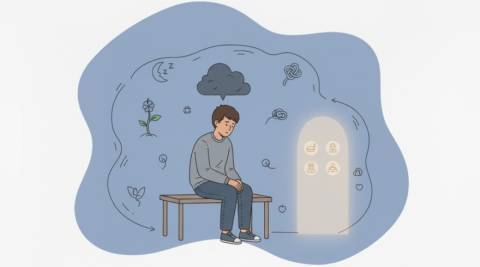
Take Online Depression Test & Quiz for Teens & Children
Many parents and guardians wonder how to recognize when sadness, irritability, or withdrawal might signal more than a passing phase. Early identification can shorten the time to help, reduce school and social disruption, and give families a roadmap for care. Screening tools, often presented as brief questionnaires, offer a standardized way to capture patterns in sleep, appetite, energy, concentration, and motivation. Unlike a clinical diagnosis, a screener is a first pass that suggests whether further evaluation is warranted. With the right context, these instruments can open compassionate conversations, guide next steps, and support evidence-informed decisions.
Families sometimes describe the screening process as a child depression test, yet pediatric specialists stress that these questionnaires flag possible concerns and do not confer a diagnosis. Results should be interpreted alongside a child’s developmental stage, medical history, cultural background, and recent stressors. Because mood can fluctuate, repeated snapshots over time can clarify whether symptoms persist, intensify, or resolve. Collaboration among caregivers, teachers, and health professionals helps transform a simple score into a thoughtful plan that prioritizes safety, dignity, and strengths.
- Screeners are brief, structured check-ins, not definitive answers.
- Context matters: age, neurodiversity, and life events influence responses.
- Follow-up with a licensed clinician remains the gold standard for diagnosis.
How Pediatric Screeners Work and What to Look for
Validated questionnaires are built through careful research, including large samples of children and teens, to establish reliability and fairness. Items are phrased in plain language and tied to frequency anchors such as “not at all” or “nearly every day.” Scoring typically aggregates responses into a total that maps to ranges, from minimal symptoms to higher concern. Some tools can be completed by the child, while others rely on caregiver or teacher input to capture behavior across settings. In clinics, these instruments are paired with safety checks and opportunities for private, adolescent-only discussion when appropriate.
Web tools labeled depression test children differ in rigor, so look for plain-language instructions, transparent scoring, and references to peer‑reviewed validation. Reputable resources explain what a score means, highlight limitations, and suggest when it’s important to seek professional evaluation. If a screener asks about self-harm, it should also present clear, immediate safety advice and crisis resources. Accessibility features, such as larger fonts, multilingual options, and read-aloud modes, can help more families participate comfortably.
- Prefer instruments with published reliability and validity data.
- Choose age-appropriate language and formats (paper, app, or web).
- Ensure privacy protections and clear guidance on next steps.
Benefits, Limitations, and a Quick Comparison of Common Tools
Short questionnaires can make invisible struggles visible, giving children a voice when articulating feelings is hard. Benefits include standardization, easy tracking over time, and the ability to prompt timely referrals. Limitations include false positives and false negatives, potential bias in self or observer reports, and the risk of oversimplifying complex experiences. The most responsible use pairs screening with a holistic lens: family context, trauma history, learning differences, and physical health all shape mood and behavior. When results point to elevated concern, clinicians typically conduct a comprehensive evaluation, including interviews, functional assessment, and safety planning.
Some hospital portals provide a depression test kids interface, but caregivers should review privacy settings, data storage policies, and how results are shared. A quick side‑by‑side can demystify what individual tools cover and how they differ. The table below summarizes well-known screeners frequently used in pediatric settings, highlighting typical age ranges, formats, time to complete, and primary focus. Keep in mind that local practice patterns, translations, and licensing can vary by region and clinic.
| Tool | Typical Ages | Format | Time | Primary Focus |
| PHQ‑A | 12–17 | Self-report | 2–4 minutes | Core depressive symptoms and functional impact |
| CDI‑2 | 7–17 | Self and parent forms | 5–10 minutes | Negative mood, ineffectiveness, anhedonia, self‑esteem |
| PSC‑17 | 4–17 | Parent or youth | 3–5 minutes | Internalizing, externalizing, and attention domains |
- Use the same tool over time to track change consistently.
- Pair scores with conversations about stress, sleep, and routine.
- Escalate to clinical evaluation if safety concerns appear at any point.
Interpreting Scores and Turning Insights Into Action
Numbers gain meaning when translated into practical steps. After a screening, families can discuss patterns: When do symptoms intensify? What helps? Which routines have shifted, sleep, meals, movement, friendships, or academic engagement? A clinician might explore co‑occurring issues such as anxiety, ADHD, learning differences, chronic pain, or grief. If risk is low, supportive monitoring and skill‑building may be sufficient. If risk trends higher, the care plan may include therapy, school supports, and medical evaluation, all tailored to the child’s developmental stage and preferences.
A counselor may propose a kids depression test during intake to establish a baseline and determine which supports to mobilize. Families can prepare by gathering relevant observations from teachers or coaches, noting timelines, and reflecting on recent transitions. When children contribute their own perspective, they build agency and help adults target what matters most. It’s also vital to involve caregivers in safety planning and to communicate with schools about accommodations, reducing stigma and aligning the home–school–clinic team.
- Clarify goals: screening to monitor, to refer, or to inform treatment.
- Document protective factors like friendships, hobbies, and trusted adults.
- Schedule follow‑ups to revisit progress and adjust supports.
Digital Use, Privacy, and Responsible Online Screening
Online forms and apps can be convenient, but privacy, data security, and readability deserve scrutiny. Before a child completes anything on the web, review who owns the platform, how information is stored, and whether results are shared or sold. Look for clear disclosures, encrypted connections, and options to complete screening anonymously when appropriate. If a child is distressed, prioritize real‑time human support over continued browsing, and consider pausing digital use while arranging professional guidance.
Search trends often include the phrase do i have depression test kids, which signals that youths are trying to self‑label complex emotions without guidance. Rather than discouraging curiosity, adults can model critical thinking: Who created this tool? What is its purpose? How are risks handled? Teach children to seek trusted sources, to bring questions to caring adults, and to recognize when online content amplifies worry. Whenever answers imply safety risk, contact a clinician or local crisis service immediately; if there is imminent danger, call your local emergency number.
- Favor platforms with transparent policies and clinical oversight.
- Guide youth toward reputable health organizations and pediatric clinics.
- Treat online scores as conversation starters, not final judgments.
FAQ: Common Questions About Youth Mood Screening
Can a screener diagnose depression in a child?
No. A screener is a standardized check for warning signs, not a diagnostic tool. It indicates whether more thorough evaluation is advisable. A licensed professional synthesizes interviews, history, functioning, and safety to reach a diagnosis and discuss treatment options.
What signs suggest it might be time to try a screening?
Consider screening when you notice persistent sadness, irritability, loss of interest, social withdrawal, trouble concentrating, sleep or appetite changes, or declining school performance. Sudden talk of hopelessness or self‑harm requires immediate help, regardless of a questionnaire.
Should parents, teachers, or the child complete the questionnaire?
That depends on the instrument and the setting. Some tools are self‑report, while others gather caregiver or teacher observations to capture behavior across contexts. Multiple perspectives can improve accuracy and reduce blind spots.
What happens after a high score?
Clinicians typically conduct a comprehensive assessment, discuss safety, and co‑create a plan. Options may include therapy, school accommodations, sleep and routine adjustments, caregiver coaching, and, in some cases, medical evaluation. Urgent safety concerns prompt immediate intervention.
How often should screening be repeated?
Frequency depends on risk level and clinical guidance. After starting support, repeating the same screener at regular intervals helps track change and refine care. If symptoms escalate or new risks emerge, seek professional input sooner rather than waiting for the next routine check‑in.