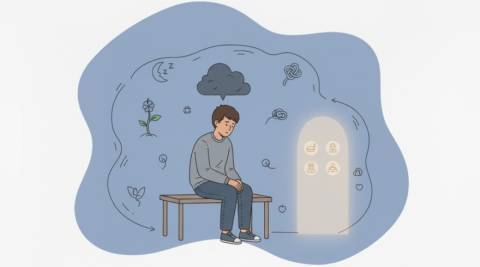
Take Online Depression Test & Quiz for Teens & Children
Why Early Screening Matters for Adolescents
Adolescence brings rapid cognitive, social, and biological changes that can obscure the line between typical moodiness and a developing mood disorder. Families, schools, and primary care providers often struggle to distinguish transient stress from persistent symptoms like anhedonia, hopelessness, irritability, sleep disruption, or concentration problems. Early, thoughtful screening offers a way to organize observations and triage support while reducing stigma around mental health conversations.
One widely used option is the teen depression test, which provides a structured snapshot of symptom patterns and helps identify when further evaluation is sensible. This kind of tool does not diagnose, yet it can surface red flags such as persistent sadness, loss of interest, and functional impairment at school or home. When shared with a clinician, those responses can guide a fuller assessment and an appropriate care plan.
- Screening creates a consistent baseline to track change over weeks, not just one tough day.
- Results can highlight co-occurring issues such as anxiety, sleep debt, or substance use.
- Normalized check-ins reduce shame and open dialogue between caregivers and adolescents.
- Early identification is linked to better treatment response and fewer academic disruptions.
Strong screening programs also foreground safety. If results or conversation suggest self-harm risk, the next step shifts from routine follow-up to immediate, compassionate intervention. Building a trusted environment, clear confidentiality boundaries, privacy, and collaborative language, encourages honest responses and timely support.
How Self-Assessments Work and What They Measure
Most adolescent mood questionnaires condense clinical observations into brief, practical items covering sadness, anhedonia, sleep, appetite, energy, guilt, concentration, psychomotor changes, and thoughts of self-harm. Scales such as the PHQ-A (a youth-adapted version of the PHQ-9), the CES-DC, or the BDI-Y use validated scoring ranges to indicate symptom severity and suggest next steps. While no questionnaire can capture a person’s full context, these tools are reliable starting points for triage.
For many families, a structured questionnaire such as a depression test teens provides a practical way to organize observations about mood, motivation, and daily functioning. Scores typically reflect frequency over the past two weeks, which keeps results anchored to a defined time frame. That structure helps differentiate a challenging week from an emerging pattern that deserves professional attention.
- Frequency-based scoring reduces guesswork and encourages consistent tracking.
- Cutoffs help identify when to consider brief counseling versus a more comprehensive evaluation.
- Item-level responses can inform targeted strategies around sleep, routine, or stress management.
It is vital to treat results as indicators rather than verdicts. Context matters: grief, chronic stress, trauma, or medical conditions can influence mood and energy. A clinician integrates screening scores with history, risk factors, protective supports, and functional impact to conclude whether a mood disorder is present and what care pathway fits best.
Online Tools, Privacy, and Accessibility
Digital self-assessments make check-ins easier for busy families and students balancing schoolwork, activities, and social commitments. Many credible platforms mirror clinic-grade questions and offer instant guidance on what a given range means, along with suggestions for follow-up. That convenience helps more adolescents reflect on how they are doing and decide whether to talk with a trusted adult or healthcare provider.
Many platforms now offer a depression test teens online free, balancing accessibility with practical explanations of what the results might imply. When choosing a site, focus on transparency about data handling, anonymity options, and whether the tool is based on validated scales. Prioritize resources that remind users these tools are informational and encourage professional care when scores are elevated.
| Feature | Why It Matters | What to Look For |
| Validation | Ensures questions map to evidence-based constructs. | References to PHQ-A, CES-DC, or peer-reviewed research. |
| Privacy | Protects sensitive responses and personal details. | Clear data policy, no unnecessary tracking, anonymous mode. |
| Guidance | Helps interpret ranges and suggests next steps. | Plain-language explanations and resource referrals. |
| Accessibility | Removes barriers for diverse users and devices. | Mobile-friendly design, inclusive language, readable layout. |
Parents and educators can support by normalizing periodic check-ins, encouraging privacy, and reinforcing that help is available. Thoughtful online use should complement, not replace, conversations with licensed professionals, especially when results suggest moderate or severe symptoms.
Interpreting Scores and Taking the Next Steps
Score ranges are best viewed as a heat map: cooler colors suggest monitoring and lifestyle support, while warmer colors point toward brief therapy, a full evaluation, or both. The primary goals are safety, symptom relief, and restoring healthy routines in sleep, nutrition, movement, social connection, and school engagement. In many cases, short-term therapeutic work paired with school accommodations significantly improves functioning.
It’s common to wonder whether a tool like a do i have depression test teens can provide a definitive answer, yet the purpose of screening is to indicate risk and prompt the right level of care. Elevated results should lead to a conversation with a primary care clinician, counselor, or psychologist who can assess duration, impairment, and co-occurring issues. If self-harm thoughts are present, seek immediate support and prioritize safety planning.
- Low range: reinforce protective habits and schedule a routine recheck.
- Moderate range: consider brief evidence-based therapy and monitor response.
- High range: request a comprehensive evaluation; discuss therapy and other options.
Tracking over time is crucial. Repeating the same questionnaire after interventions, sleep restructuring, cognitive-behavioral techniques, reduced workload, or family communication changes, shows whether strategies are working. Consistency transforms numbers into a narrative that guides care decisions.
Support Systems, Treatment Options, and Safety
Most adolescents improve with a combination of evidence-based psychotherapy, supportive routines, and a strong relational network. Cognitive behavioral therapy (CBT), behavioral activation, and interpersonal therapy (IPT) have longstanding evidence for reducing depressive symptoms. School supports, flexible deadlines, reduced load during treatment, or access to a counselor, protect academic progress while health stabilizes.
When finances are tight, exploring a depression test free for teens can be a useful step toward awareness while you arrange follow-up with a clinic, community program, or telehealth provider. Community health centers, school-based health teams, and nonprofits often offer sliding-scale services, group therapy, or psychoeducation that lowers costs and shortens wait times.
- Strengthen basics: consistent sleep, balanced meals, physical activity, and daylight exposure.
- Protect time for enjoyable activities to counter anhedonia and social withdrawal.
- Build a support circle of trusted adults and peers for accountability and encouragement.
- Discuss privacy and boundaries so adolescents feel safe sharing concerns.
If there are thoughts of self-harm or imminent danger, contact local emergency services or a crisis line right away. Safety comes first, and rapid support can be life-saving. After urgent concerns are addressed, follow through with comprehensive care that integrates family education and school collaboration.
FAQ: Common Questions About Teen Screening
What does an adolescent mood screener actually measure?
These tools ask about frequency of low mood, loss of interest, sleep and appetite changes, fatigue, guilt, concentration, restlessness, and self-harm thoughts. Items map to diagnostic criteria and provide a severity estimate over a two-week window.
Is an online questionnaire a diagnosis?
No, it’s a guide. Results highlight potential risk and suggest whether to consult a clinician for a full evaluation that considers history, impairment, co-occurring conditions, and protective factors.
How accurate are youth-oriented mood scales?
Validated instruments such as PHQ-A and CES-DC show solid reliability for screening. Accuracy improves when you answer honestly, interpret ranges correctly, and follow up with a professional when scores are elevated.
What should I do if results suggest moderate to severe symptoms?
Share the score with a primary care provider, school counselor, or therapist and ask about next steps. Discuss safety, therapy options, and practical supports at school and home to stabilize daily routines.
How often should an adolescent repeat a self-check?
Many clinicians suggest repeating the same instrument every few weeks during active concerns. Consistent timing and the same tool make it easier to see trends and adjust the care plan accordingly.
Understanding Access and Quality While Choosing a Tool
Access, transparency, and scientific grounding should guide the choice of any mood self-check. High-quality platforms clearly state which instrument they use, explain what score ranges mean, and encourage professional follow-up when warranted. The best experiences pair plain-language explanations with practical next steps that respect privacy and autonomy.
Families and educators can amplify benefits by creating a supportive climate around mental health conversations. A gentle invitation to talk, an offer to help schedule an appointment, and reassurance that help works can make a decisive difference. Sustained compassion, careful listening, and steady follow-through are as essential as any measure or score.
For adolescents, the message is simple but powerful: your experiences matter, support is available, and early action can accelerate recovery. With the right combination of screening, professional guidance, and everyday habits, most young people regain energy, motivation, and confidence over time.