Why Depression Screening Matters and What to Expect
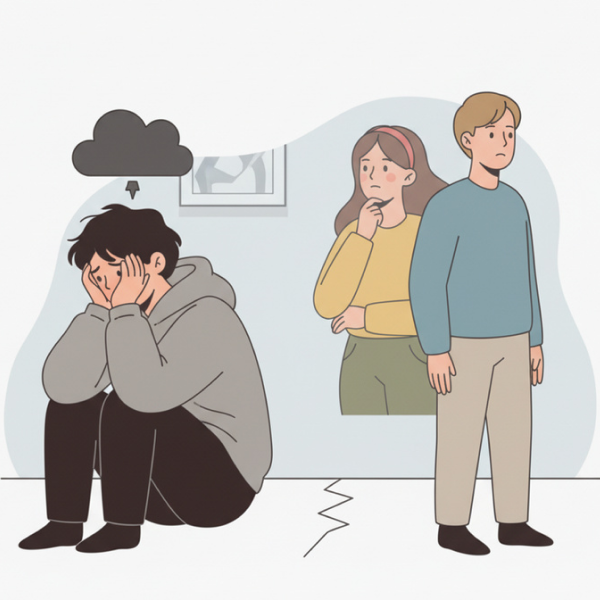
For many newcomers to mental health care, a depression test offers a structured starting point that turns vague concerns into measurable information you can review calmly. You answer a series of standardized questions about mood, appetite, concentration, and interest levels, and then you receive a score that maps to broad severity ranges. That score is not a diagnosis, but it is a meaningful prompt for further evaluation, especially if symptoms disrupt daily routines or relationships in noticeable ways.

In primary care and counseling settings, brief depression tests function as screening instruments that guide whether a fuller assessment is warranted. Clinicians typically pair results with a conversation about duration, life events, and rule-outs like thyroid issues or side effects from medications. When viewed together, this information clarifies patterns across time while minimizing the risk of misinterpretation, and it helps ensure the right level of care, from watchful waiting to active treatment, is considered.
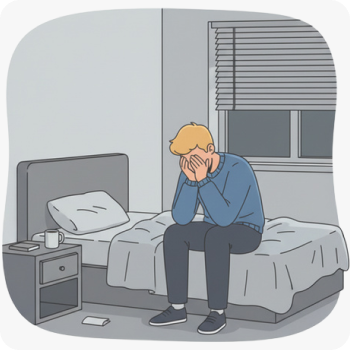
Emotional Check-In
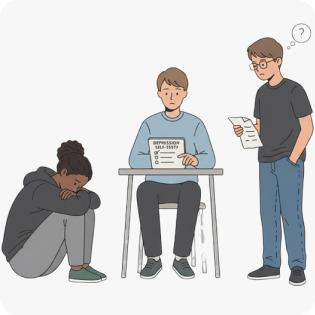
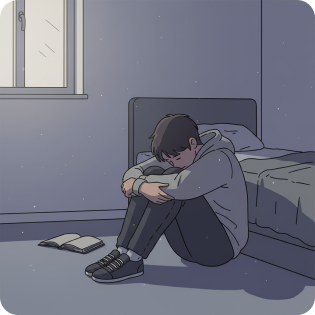
For people who prefer private reflection before booking an appointment, a depression self-test can serve as a gentle mirror that illuminates themes you might otherwise dismiss casually. These tools are best treated as temperature checks rather than verdicts, giving you language and examples to bring to a clinician, a school counselor, or a trusted support person. You can also use repeated screenings to observe change over weeks, which is especially useful when experimenting with mindfulness practices that may influence mood.
Track Depression Signs
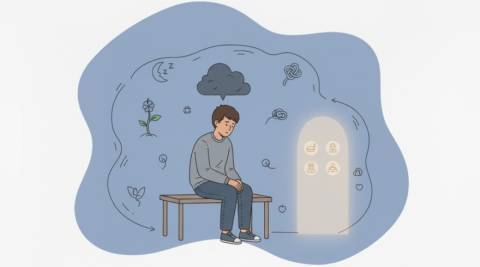
Among widely used options, a depression symptoms test focuses on core clusters such as loss of interest, persistent sadness, guilt, sleep disruption, appetite change, slowed movement, restlessness, fatigue, impaired concentration, and thoughts of self-harm. Items capture both intensity and frequency, helping to distinguish a bad week from a sustained pattern that merits attention. Because the questions are standardized, your score can be compared to established ranges that inform next steps and urgency.
Try a Test Designed to Be Simple, Safe, and Informative
When time is limited, clinics often rely on a quick depression test to identify who may need a thorough conversation without delaying other care. Short forms are especially helpful in busy practices, urgent care, and telehealth intakes, where timely triage improves outcomes. If a short screener flags elevated risk, clinicians typically follow with a more detailed questionnaire and a focused interview to ensure nuance is not lost.

On the web, some platforms present a friendly depression test and quiz layout that feels conversational and less intimidating for first-time users. While the look and feel vary, the strongest options still rely on validated question sets and clearly explain what scores do, and do not, mean. Always look for transparent sourcing, privacy notices, and guidance on when to seek urgent help, especially if you notice thoughts of self-harm or significant functional decline.
Choosing the Right Option for Your Situation
If you value flexibility and privacy, a depression test online can be completed on a phone or laptop at a time that fits your schedule. Look for tools that cite reputable sources, provide clear next-step guidance, and include resources for crisis support. Saving or printing your results can make a first appointment more efficient because you arrive with concrete examples rather than vague summaries.
| Format | Typical length | Where it’s found | Pros | Considerations |
|---|---|---|---|---|
| Online questionnaire | 2–10 minutes | Health sites, clinics, nonprofits | Private, immediate scoring, easy to repeat | Verify privacy and source credibility |
| Paper or clinic tablet | 5–10 minutes | Primary care, counseling centers | Reviewed on the spot, integrated into care | Less anonymous, depends on appointment access |
| Mobile app screener | 3–8 minutes | App stores, digital health programs | Progress tracking, reminders, integrations | Data storage varies, check security settings |
| Youth-focused versions | 5–10 minutes | Schools, pediatric clinics | Age-appropriate language, caregiver guides | Needs adult support for follow-through |
For cost-sensitive users, a free depression test from a reputable organization can reduce barriers and encourage earlier conversations with professionals. Affordable access supports equity, especially in communities facing long waitlists or limited coverage. When quality is clear and data practices are transparent, low-cost screening becomes a bridge rather than a detour. If the budget is tight, some healthcare portals clearly mark a depression test free option so patients can screen before a visit without added strain. Be sure to capture your results and bring them to a clinician who can interpret the findings alongside your medical history. Early identification often shortens the time to relief by aligning care with your most pressing needs.
Child Mood Check
When evaluating younger children, a caregiver-informed child depression test can help translate observations into structured cues that pediatricians can assess more precisely. Parents may notice behavior shifts, like clinginess or unexplained stomachaches, that a child cannot describe clearly, and structured questions make those patterns easier to discuss. Results also guide whether family-focused interventions, school supports, or pediatric referrals are appropriate.
Depression Test for Youth: Supporting Kids and Teens
For grade-schoolers, some clinics offer a depression test kids version that uses simple wording and concrete examples tied to home and classroom routines. These tools often invite caregiver input and encourage collaborative planning with teachers, which helps align support across environments. Combined with developmental check-ins, these steps clarify whether mood changes are brief reactions or part of a broader pattern. Adolescents benefit from language that respects their growing autonomy, and that’s why a depression test for teens format often includes items about friendships, activities, and identity stressors. Trusted adults can reinforce that screening is not a label but a way to get the right kind of help sooner. When results suggest elevated risk, prompt connection to youth-savvy clinicians ensures respect, privacy, and evidence-based care.

Self-Reflection, Next Steps, and When to Seek Help
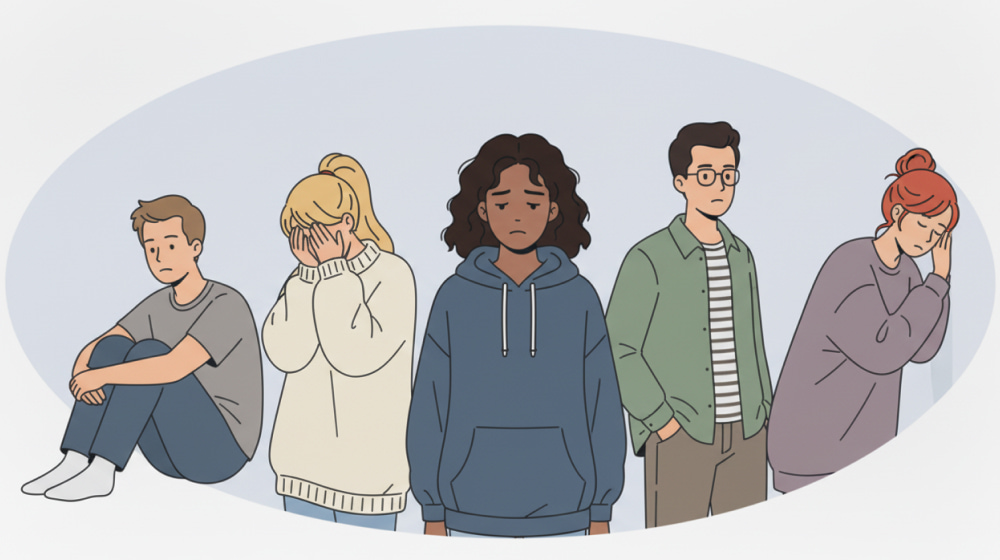
When uncertainty lingers, some people look for a do I have depression test as a way to name their experience before reaching out. Treat that step as an opening rather than a verdict, and schedule a conversation with a professional who can assess safety, comorbidities, and strengths. If distress escalates or you notice thoughts of self-harm, seek urgent help immediately by contacting local emergency services or crisis hotlines. During difficult stretches, an am I in depression test might feel like a quick route to clarity, yet results still need human interpretation to avoid tunnel vision. Rather than trying to test depression alone, pair your screening with a check-in from someone who knows you well and can notice changes you might miss. With support, you can turn insight into action, building a plan that is compassionate, practical, and responsive to what you need most.

Frequently Asked Questions
The Latest News
Please Note
This website (depressiontesthub.com) is not an official representative, creator or developer of this application, or product. All the copyrighted materials belong to their respective owners. All the content on this website is used for educational and informative purposes only.